November 16, 2026
Transforming your backyard into an outdoor aquatic oasis requires evaluating diverse installation methods, structural materials, and ongoing maintenance demands. Homeowners must weigh initial expenses against long-term operational durability while determining which design aligns with their property layout and lifestyle preferences. Navigating varied structural options demands careful consideration of soil conditions, landscape aesthetics, and planned recreational use. Consulting a licensed pool builder helps clarify how different materials react to regional climates, freeze-thaw cycles, and chemical treatments over decades. Choosing the right basin style enriches your domestic recreation, creating a stunning centerpiece for entertaining guests and elevating your personal home value.
1. Evaluating Inground Concrete Basins for Complete Customization
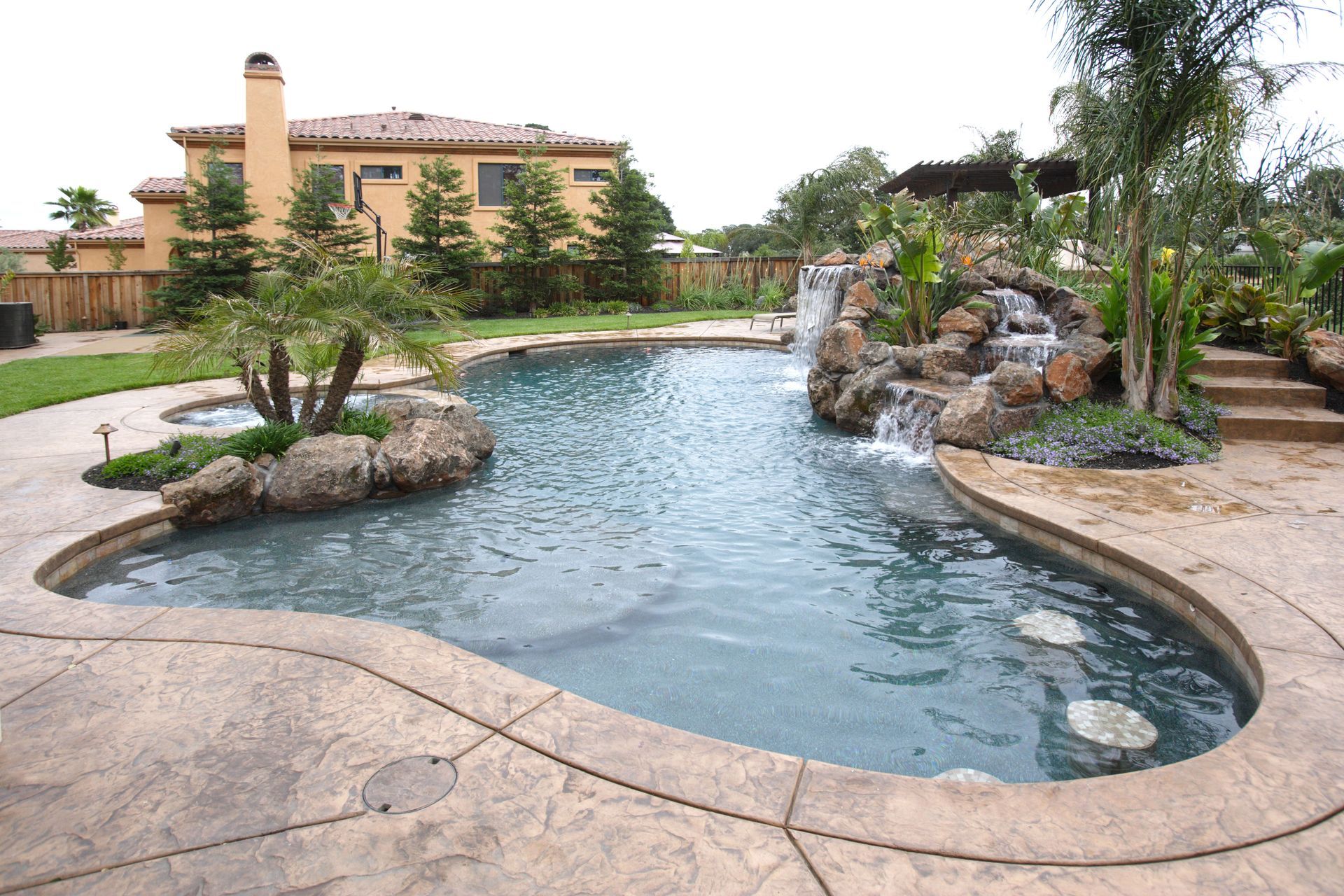
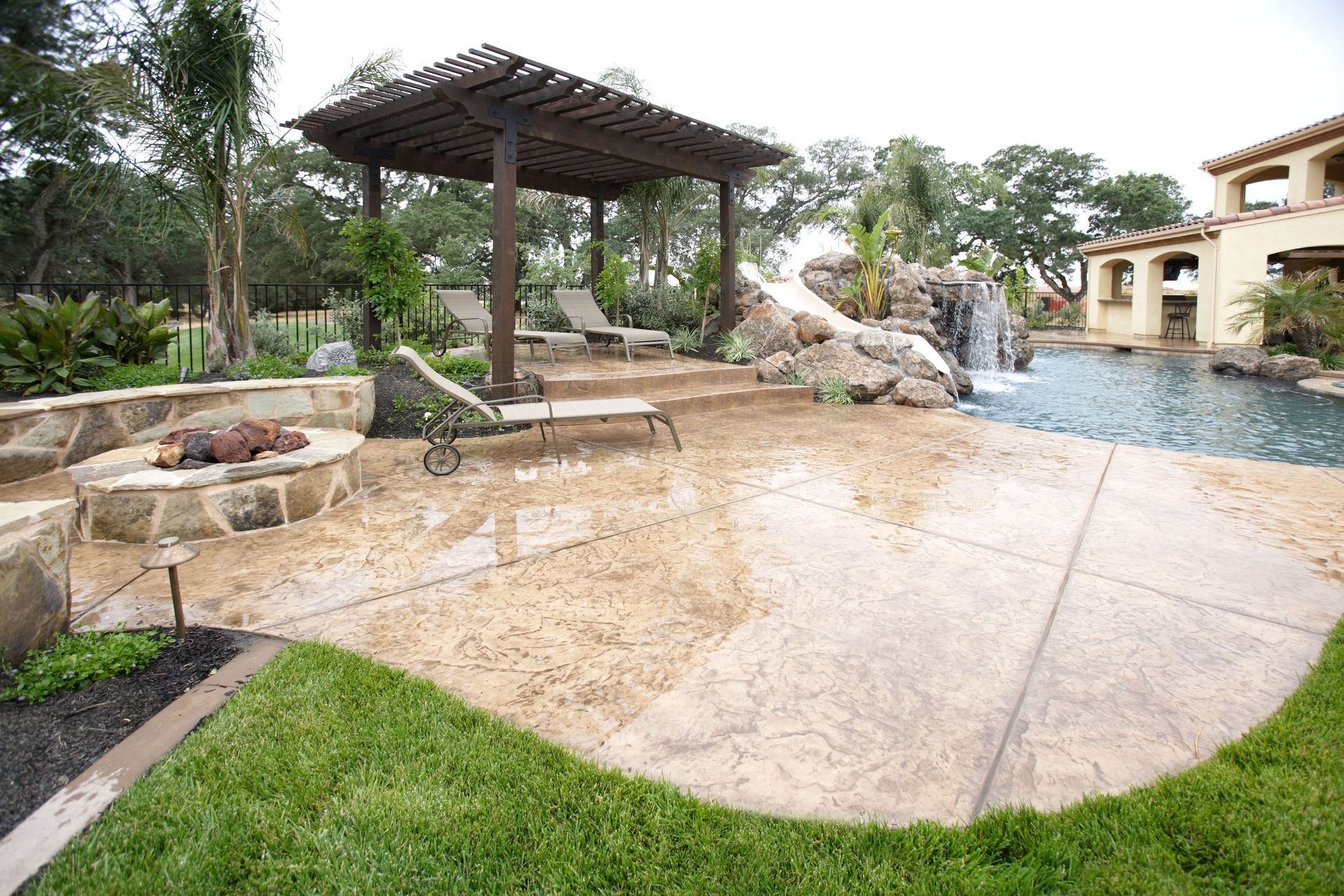
Gunite and shotcrete constructions provide unmatched architectural flexibility for homeowners desiring bespoke geometric layouts or organic freeform contours. Pool builders spray thick pneumatic cement mixtures over intricate steel rebar cages, creating immense structural strength that withstands shifting subsoils. An experienced pool builder can sculpt integrated tanning ledges, swim-up bars, dramatic rock waterfalls, and attached spillover spas directly into the monocoque shell. While pouring and curing pneumatic cement requires several months of specialized construction, the resulting structure endures extreme weather variations effortlessly. Concrete shells provide an enduring foundation for plaster, pebble aggregates, and glass mosaic tiling, delivering luxury aesthetics tailored to distinct architectural landscapes.
2. Installing Prefabricated Fiberglass Shells With Efficiency
Manufactured inside factory environments, one-piece composite basins offer rapid on-site setup times compared to field-poured alternatives. Heavy cranes lift the molded structure directly into an excavated trench resting on compacted gravel beds, allowing plumbing connections to finish within days. The factory-applied gelcoat finish feels exceptionally smooth underfoot while naturally resisting embedded black algae colonies. Because non-porous resin barriers inhibit microorganism growth, homeowners spend less money on balancing sanitizing chemicals each swimming season. Furthermore, the inherent flexural strength of composite materials accommodates seasonal ground movement across cold regions without developing unsightly hairline surface fractures or structural leaks.
3. Fitting Flexible Vinyl Liners for Budget-Friendly Leisure
Constructed with modular galvanized steel or thermoplastic wall panels, these versatile installations utilize durable polyvinyl membranes to retain water securely. Property owners select from diverse printed patterns that mimic imported Spanish mosaic tiles or shimmering deep ocean stones. Initial installation expenses remain markedly lower than concrete, making this style particularly attractive for family recreation projects. However, managing delicate vinyl requires vigilance against punctures from sharp pet claws, metal pool toys, or wayward tree branches. Liners typically require complete replacement every decade, yet the straightforward renewal process allows homeowners to refresh the entire aesthetic profile of their backyard effortlessly.
4. Understanding Overall Structural Lifespans Across Materials
Evaluating how long structural components endure environmental exposure helps homeowners plan long-term financial investments realistically. According to HomeGuide, the average lifespan of an inground pool ranges from 20 to 50 years depending on the type. While cast-concrete structures readily reach the higher end of that spectrum with proper resurfacing, composite fiberglass shells routinely last three decades with minimal surface degradation. Vinyl-lined variants rely on resilient foundational wall structures that persist for generations, even as the interior membrane undergoes routine replacement cycles. Understanding material durability helps property owners align personal lifestyle horizons with appropriate construction styles.
5. Assembling Aboveground Basins for Flexible Installations
Property owners seeking economical aquatic relaxation without undertaking major land excavation often select modular aboveground structures. Fabricated from corrugated galvanized steel, extruded aluminum, or resilient resin frames, these freestanding units install quickly over leveled ground pads. Surrounding the perimeter with multi-level timber decking creates the illusion of an embedded installation while providing elevated lounging spaces for summer entertaining. Furthermore, aboveground models bypass complex zoning permits, buried utility obstacles, and extensive yard disruptions common to heavy earthmoving equipment. When family needs shift or owners relocate, disassembling the structure restores the original lawn footprint with minimal landscape rehabilitation.
6. Integrating Natural Biological Filtration and Plant Zones
Eco-conscious homeowners increasingly select biological aquatic sanctuaries that forgo traditional chlorine tablets and automated salt-chlorine generators entirely. These specialized installations divide water bodies into a designated swimming area and an adjoining regeneration zone filled with emergent wetland flora. Native reeds, water lilies, and gravel filtering beds consume excess nitrogen, clarifying the water through natural symbiotic biological processes. Water circulating through these pristine plant marshes mimics tranquil mountain ponds, remaining completely free of synthetic chemical additives that irritate eyes and dry sensitive skin. A certified pool builder configures quiet biological pumps, ensuring continuous circulation across living filter beds for crystal-clear bathing.
7. Designing Compact Plunge Pools for Urban Yards
Restricted residential spaces benefit immensely from shallow, compact plunge basins that prioritize cool dips over vigorous lap workouts. These miniature structures fit comfortably within small urban patios, narrow side yards, or rooftop garden terraces where full-sized installations prove impossible. Built using precast concrete modules or stainless steel frames, these compact options heat rapidly and require minimal water volumes to operate smoothly. Adding submerged hydrotherapy jets transforms a cooling lounge into a therapeutic heated spa during crisp autumn evenings. Compact footprints lower overall maintenance chores, allowing busy homeowners to enjoy luxurious outdoor leisure without dedicating massive yard space to swimming facilities.
8. Building Dedicated Lap Lanes for Focused Exercise
Fitness enthusiasts often select long, slender rectangular channels designed specifically to support uninterrupted cardiovascular swimming routines at home. These specialized sport basins feature continuous interior dimensions spanning forty to sixty feet, providing adequate stroke room without requiring frequent flip turns. Interior design elements usually highlight dark bottom racing lines, integrated swim-tether anchors, and smooth flush stairs tucked away into corner niches. Installing powerful adjustable resistance current systems allows swimmers to train against steady water flows within slightly shorter channel lengths. Lap designs maximize narrow yard setbacks, uniting sleek contemporary architectural lines with dedicated athletic functionality.
9. Transitioning Water Over Infinity Edges for Drama
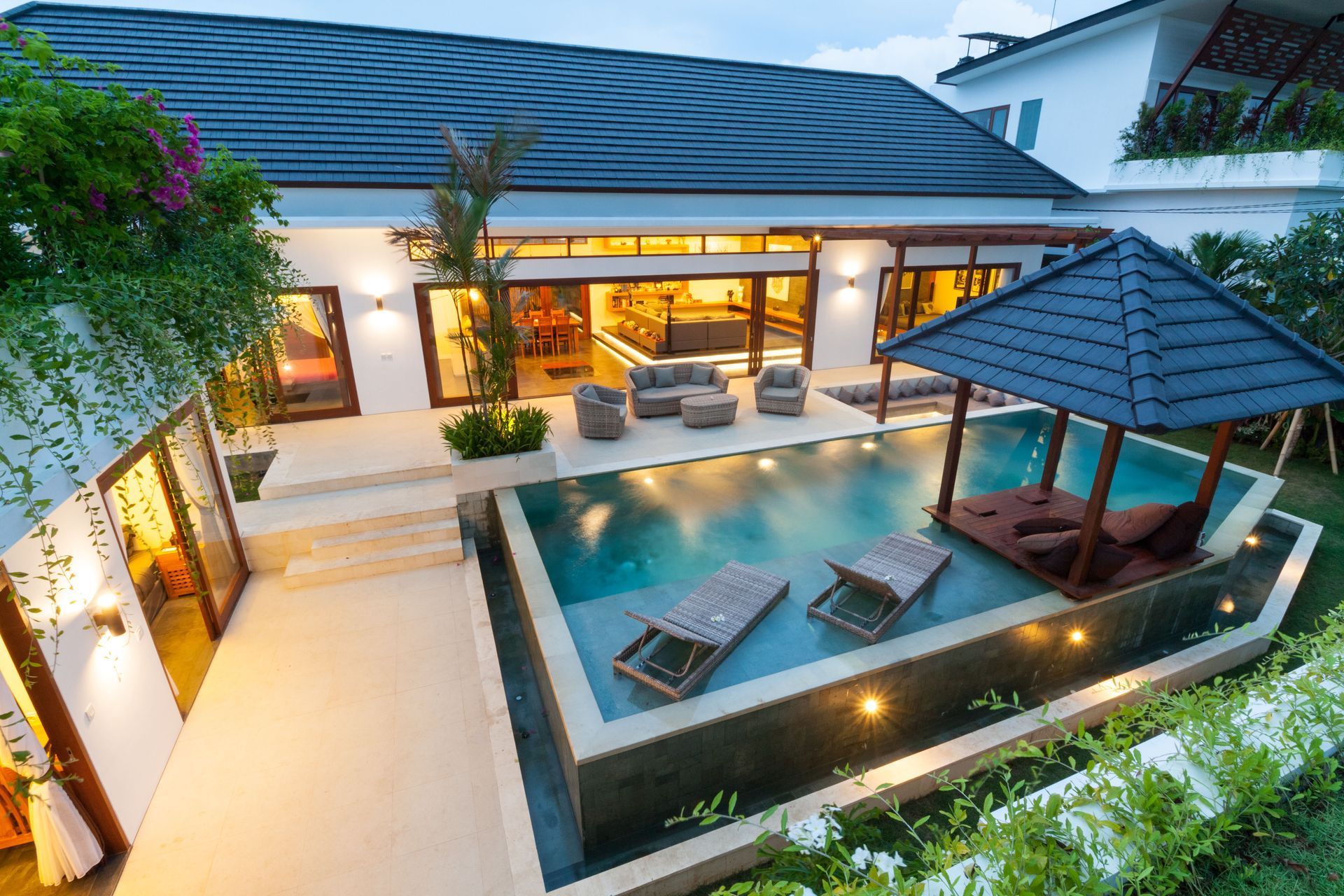
Properties overlooking steep hillsides, ocean shores, or pristine woodlands present the ideal setting for a disappearing vanishing-edge installation. Water flows continuously over a slightly recessed rear weir wall, spilling gracefully into a hidden catchment basin positioned beneath the structural shell. This architectural technique creates the mesmerizing visual illusion that the water surface merges seamlessly with distant horizons or celestial skies. Complex hydraulic engineering requires dual pumping networks, surge collection reservoirs, and reinforced structural footings engineered into sloping ground. Partnering with a skilled pool builder ensures that water catchments balance flow rates precisely, preventing dry running during windy afternoons.
10. Incorporating Saltwater Systems Through Modern Chlorinators
Transitioning traditional sanitizer routines toward electrolytic chlorine generators transforms pool water into a gentle, silky swimming environment. Saltwater systems convert dissolved food-grade salt into hypochlorous acid via low-voltage electrolytic cells, eliminating the need to store hazardous concentrated chemicals on-site. Swimmers notice an absence of pungent chemical odors, faded swimwear, and stinging eyes, enjoying skin-soothing water comparable to natural human tear salinity. However, continuous saline exposure requires non-corrosive deck hardware, sealed stone copings, and sacrificial zinc anodes to safeguard structural metal components. Modern electrolysis equipment automates sanitation, maintaining consistent water purity with reduced hands-on chemical testing.
Selecting an ideal swimming design ultimately hinges on balancing your personal property contours, aesthetic tastes, and long-term recreation goals. Whether you select an enduring custom gunite centerpiece, a sleek low-maintenance fiberglass shell, or an economical modular installation, thoughtful planning remains paramount. Every structural material presents distinct benefits, from bespoke concrete contours and soft vinyl finishes to the pristine natural clarity of biological plant filtration. Working alongside a seasoned pool builder ensures your chosen aquatic sanctuary fulfills your lifestyle expectations and integrates beautifully with your outdoor landscaping. Prioritizing quality materials and sound hydraulic design ensures your home oasis delivers countless seasons of refreshing leisure.
Are you seeking professional pool builders in New Jersey? At Unique Pools & Spas, we look forward to making your dream pool become reality! Contact us today to schedule a consultation for your new pool!